Types of Embroidery
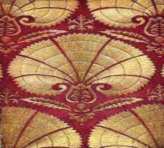
Types of embroidery include every sort of ornamental work done with a sewing needle of any kind. Embroidery may be done on any number of fabrics from satin to canvas. Embroiderers, know for their resourcefulness, experiment and learn from others which kind of stitch and thread works best and proceed to produce wonderful works of art, many times mixing types of embroidery.
Often embroidery types were named after the predominate stitch that was used, such as cross-stitch. Others were named after the place they were first introduced, such as Berlin Wool Work or Mountmellick embroidery. What can make finding a "type" of embroidery confusing is that many times there are more than one name for a particular kind of embroidery. For example, pulled thread, drawn thread and Hardanger are often classified as the same embroidery style.
Embroidery techniques can produce a wide range of effects. Some produce a flat surface while others produce a relief effect. Almost any effect wanted can be produced in embroidery - from simple line to fancy stitches with beads, baubles and anything else attached. Embroidery is definitely one of the most versatile crafts ever created.
Below you will find types of embroidery, listed in alphabetical order, used during Victorian times. These are described, and if possible, illustrations and instructions are provided.
Types of Embroidery A to Z
A - E | F - J | K - O | P - T | U - Z
A
Alphabet Design Embroidery was originally used to mark household linens and then used to personalize handmade gifts. This technique uses padding stitches under an even layer of even stitches to produced a raised embroidery effect.
Applique is the technique of taking a pattern of one material, laid on another which forms the ground. The edges of the cut-out design are either sewed over, ornamented with fancy cord, braid, gold thread, or any other appropriate material.
Arrasene Embroidery is an embroidery material that was very popular during Victorian times. It was introduced for artistic embroidery around 1883 and was thought to likely supersede other kinds of embroidery materials used in bold designs in decorative needlework. It is a kind of fine chenile and came in both silk and wool.
B
Back Stitch Embroidery is one of the simplest kinds of embroidery. The Back Stitch is the only stitch used with this type of embroidery.
Bead Embroidery (beading)
Berlin Embroidery is a style of canvas work embroidery. In the 1830's, a new processes of dyeing wools made this type of embroidery possible. The resulting embroidery produced very durable and long lasting pieces. Berlin work was used to create cushions, bags and furniture covers.
Blackwork
Broderie Anglaise is one of the types of embroidery that goes by at least one other name. It is also known as English Embroidery. It is kind of White Embroidery.
Bulgarian Embroidery is used almost exclusively upon heavy linens and canvas. It is entirely conventional in design and also in manner of working.
C
Canvas Work is stitched onto coarse or tight-textured canvas and also referred to as needlepoint, a term borrowed from lacemaking. See Needlepoint.
Chenille
Chip, Embroidery on was embroidery on material made either of fine plaited chips or wood shavings. The designs used for this type of work were very simple.
Coral work
Cotton Embroidery
Counted Thread Embroidery
Crazy Work is made by attaching random size and shape pieces of material together to form a larger piece of material. This material then can be used in making a quilt or other projects, such as table cover, cushions, etc. Many different projects described on this page.
Cretonne Applique was very popular with Victorian women. Cretonne fabric made it very easy to make wonderful and unique applique linens quickly.
Crewel, or Crewel Embroidery gets its name from the fine wool yarn that is used. The designs are generally bold, since it is difficult to create small intricate designs in wool.
Cross-Stitch Embroidery is probably the most common types of embroidery. It is composed of floss stitched in an X like manner on canvas or a canvas like material. Aida cloth is the choice of most Embroiderers today. Java canvas was typically used by Victorian ladies.
Cut-Work, is also one of the types of embroidery that goes by at least one other name. It is also called Venetian embroidery and Roman embroidery, all of which are but the same style of work under different names. Small shapes are cut out of the ground material, the cut edges are embroidered, and the vacant space is often filled in with decorative stitches. Hardanger and Hedebo can be classified as cut work.
D
Delft Embroidery gains its name from the Delft ware. Quaint Holland scenes, done entirely in one color, make this type of embroidery easily recognized.
Drawn thread is needlework where certain threads of the warp or weft (or both) are removed from the ground, and the remaining threads are embroidered.
Dresden Embroidery is named from the ware of the same name. Linens embroidered in this type of embroidery will add a beautiful sophistication to any Victorian table.
E
English Embroidery is also known as Broderie Anglaise. It is kind of White Embroidery.
English Eyelet Embroidery was a popular style of embroidery and was a means of decorating shirtwaists, collars and other apparel in the late 1800s.
Etching Embroidery, also known as Print Work, is used to reproduce line engravings with embroidery and paint.
F
Filet Embroidery is done on a net-like fabric.
Florentine Embroidery is also known as Bargello Embroidery. Traditionally designs are very colorful. By using many different hues of the same color, very intricate shading effects were produced.
French Laid Embroidery, also known as White Work, is known and appreciated the world over. It is a raised embroidery. The stitches are close and firm. It is most generally serviceable and appropriate to all applications of household use.
G
Goldwork
Gretchen Embroidery is an unusual embroidery technique not often found.
H
Hardanger
Haspurg lace (Hapsburg lace)
Honiton (with illustration)
Huckaback Embroidery is embroidered on Huckaback fabric. It is fast and easy. The most characteristic feature of this type of embroidery consists in the treatment of the background.
I
Indian Floss Silk Embroidery is work executed upon black or white net with white or colored floss silks, and is an imitation of the Floss Silk Embroidery made by the natives of India.
Irridescent Embroidery is sometimes called opalescent embroidery and either term indicates the distinctive feature of the work. It is always worked in Kensington Stitch and in the palest of colors
J
Jacobean
Jewel Embroidery is the introduction of dots in a design which are worked in imitation of jewels.
K
Kensington Needlework, or Crewel Work
L
Lace
Lattice-Work Embroidery
Linen Embroidery was used to decorate borders of towels, tablecloths, and other items because it looked well on both sides. It can be described as a combination of Drawn Work and Embroidery.
M
Mediaeval Embroidery is also known as "Point Venice", "Italian Relief Embroidery", as well as other names. It is basically an adaption of the Buttonhole stitch.
Mexican Embroidery is suitable for ornamenting washable materials such as linens, muslins, and cambrics. It uses the buttonhole stitch and other simple stitches.
Mexican Square Embroidery is unusual, it may be the perfect addition to your embroidery fancy work.
Mexican Wheel Embroidery is similar to Mexican Square Embroidery but has it's own unique appearance.
Mountmellick Embroidery is another one of the types of embroidery that goes by at least one other name. It is also called Mountmellick Work or Fine White Work.
N
Needlepoint is embroidery done on canvas. Traditionally Needlepoint was completed on a linen canvas with wool thread. Although different stitches were used, depending upon locations, the tent stitch was used most often. Today embroiderers, when needlepointing, use a much wider range of stitches than ever used before.
Net Embroidery is an effective way of ornamenting White or Black Net for dress trimmings, caps, and other small articles of dress. It is also used for home decorative items that do not get a lot of wear.
Netting Silk in Embroidery is one of the most delicate kinds of embroidery and is worked with fine netting silk, one strand of which is drawn out.
O
Oriental Embroidery is actually a class of embroidery. It includes Chinese, Indian, Japanese, Persian, Bulgarian, and Turkish embroideries. They are celebrated for a number of reasons.
Outline Embroidery is particularly suitable for ornamentation of all kinds, even those that require washing. Easy and satisfying.
P
Persian Embroidery has changed over the course of history. It receives its name based upon the designs and colors used.
Pulled thread, pulled work, pulledwork
Punched Work is another type of embroidery that has been used to described different types of embroidery. Most people today, when thinking of Punch or Punched Embroidery automatically think of the type that has the loops of top of the fabric (similar to a hooked rug). This type of embroidery has been around for centuries. The other Punched Work, as described and illustrated here, is more of a drawn work.
Q
R
Raised Embroidery - There a number of different Raised Embroideries. One kind is when stitches are taken over a wadding of cotton. Another is when the design is formed with loops of Plush Stitch, which are afterward fluffed up and cut. And yet a third kind is when a stiffening material, such as wire mesh, is used, then covered with cloth and then embroidered.
Redwork is a form of needlework that uses red cotton embroidery floss on a white background. The patterns are usually very simple line drawings.
Ribbon Embroidery - The earlier ribbon embroidery designs were worked out with a narrow China ribbon about one-half inch in width. The designs were chiefly floral in nature. Usually only the wealthy could afford to do this type of embroidery
Ribbon Work - In Ribbon Work, flowers and buds only are made of ribbon, i. e., the petals only; the foliage are embroidered in arrasene, chenille, filoselle or embroidery silk.
Rice Embroidery is a type of White Embroidery. The Rice Stitch is used extensively in this type of embroidery,hence the name.
Roman Embroidery
S
Seed Embroidery is an German Victorian era embroidery using a variety of seeds and chenilles to produce a very unique type of embroidery.
Shadow Work, Shadow
Smocking is decorative stitches that secure gathers or folds, which have been previously formed in the foundation material.
Sorrento embroidery
Spanish Lace Work
Straw Embroidery is virtually unheard of now but it was a type of embroidery Victorians were interested in using. Have you used any straw in your embroidery lately? Me neither, however, I do find it interesting.
Stumpwork
Swiss Embroidery is known by many different names such as Broderie Anglaise, Irish Work, and Madeira Work.
T
Tassels
Tatting
Towelling (Toweling) Embroidery was very popular in the 1880's. It is a mix of easy embroidery stitches and drawn work. THe results are remarkable.
Tulle Embroidery is a true Victorian style embroidery. Simple to do using just Tulle, floss, and a simple pattern.
U
V
Venetian Embroidery takes its name from Venetian lace, owing to a certain similarity in its general appearance. It resembles Roman Work and Strasbourg Embroidery, but is lighter than either in effect.
Venetian Long Stitch Embroidery is the old-fashioned description of Worsted Work worked on open canvas.
W
Wallachian Embroidery - The present adaptations of this work show it in any material that can be embroidered, and, of course, the thread employed must correspond with the material on which the embroidery is done. Often the work is padded and raised.
White Embroidery is also know as White Work.
X
Y
Z
As you can see, there are many types of embroidery. Victorian ladies were expected to know each type of embroidery and understand the different stitches that were used with each. Like today’s embroiderers, creative license was used to obtain the look needed for each individual piece of work. Be creative like Victorian embroiderers were. Don't be afraid to mix and match types of embroidery to create YOUR work of art!

The Last and Best Book of Art Needlework

Over 100 pages of authentic Victorian instructions and patterns from 1895!
FREE
Beeton's Book Of Needlework
433 pages!
Sign up for VEAC! Everything you wanted to know about Victorian embroidery, needlework, crafts and more!
Priscilla Bead Work Book

Make Beautiful Victorian Beaded Purses, Jewelry & Accessories - Starting
TODAY!