Embroidery
Crafts
Crochet
Knitting
Christmas
Valentine's Day
Halloween
Decorating
Patchwork
Talk to Me
Misc.
Legaleze
|
Page not found
The page you're looking for is not found, please go to the main page
|
| The Last and Best Book of Art Needlework |

Over 100 pages of authentic Victorian instructions and patterns from 1895! |
|
| Free! |
Beeton's Book Of Needlework
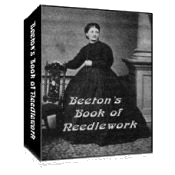 433 pages! 433 pages!
Sign up for VEAC! Everything you wanted to know about Victorian embroidery, needlework, crafts and more!
|
|
| Priscilla Bead Work Book |
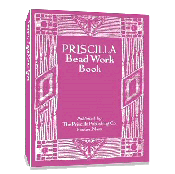
Make Beautiful Victorian Beaded Purses, Jewelry & Accessories - Starting TODAY! |
|
|
|